You did the hard part — you found a great farmers market, got there early, and loaded up on beautiful produce, fresh eggs, pastured meat, and a block of farmstead cheese. Now comes the part most people don’t think about until they’re halfway home with a trunk full of wilting greens and a slowly softening block of butter: keeping it all cold.
Michigan summers are warm, and even a 30-minute drive home can do real damage to fresh produce and protein if you’re not prepared. The right bag or cooler doesn’t just protect your groceries — it also means you can shop longer without worrying, pick up ice cream from that one vendor you always see but never buy from, and stop for coffee on the way home without guilt.
Here’s what actually works, broken down by what you’re shopping for.
Why a Dedicated Market Bag Matters
A standard reusable grocery tote is fine for pantry staples, but it does nothing for temperature-sensitive items. Fresh meat, dairy, eggs, cut flowers, and delicate produce all benefit from some insulation — even just 30 minutes in a hot car can knock days off the shelf life of fresh greens.
The other thing most people don’t realize: a good insulated bag makes you a better shopper. When you know you can safely transport frozen berries or a whole chicken, you stop hesitating at the market and start buying the things you actually want.
Soft Cooler Bags
Soft coolers are the most versatile option for farmers market shopping. They fold flat when empty, carry comfortably over one shoulder, and most fit easily in a market cart or wagon.
What to Look For
Insulation thickness is the main variable. Bags with thin foam walls (common in cheap options) lose temperature quickly. Look for at least half an inch of insulation, ideally with a foil interior lining that reflects heat.
A waterproof interior matters more than people expect. Ice packs sweat, meat packages can leak, and wet produce drips. A liner you can wipe out or rinse is a practical necessity, not a luxury.
Zipper quality is often overlooked. Cheap zippers on soft coolers fail quickly, especially with regular loading and unloading. Look for heavy-duty zippers with a wide opening — you want to be able to fit a whole head of cabbage or a bouquet of sunflowers without wrestling with it.
Carry options: a single shoulder strap is fine for lighter loads, but if you shop heavily, look for bags with a top handle plus a removable shoulder strap, or backpack-style straps.
Top Picks
Insulated Grocery Tote Bag
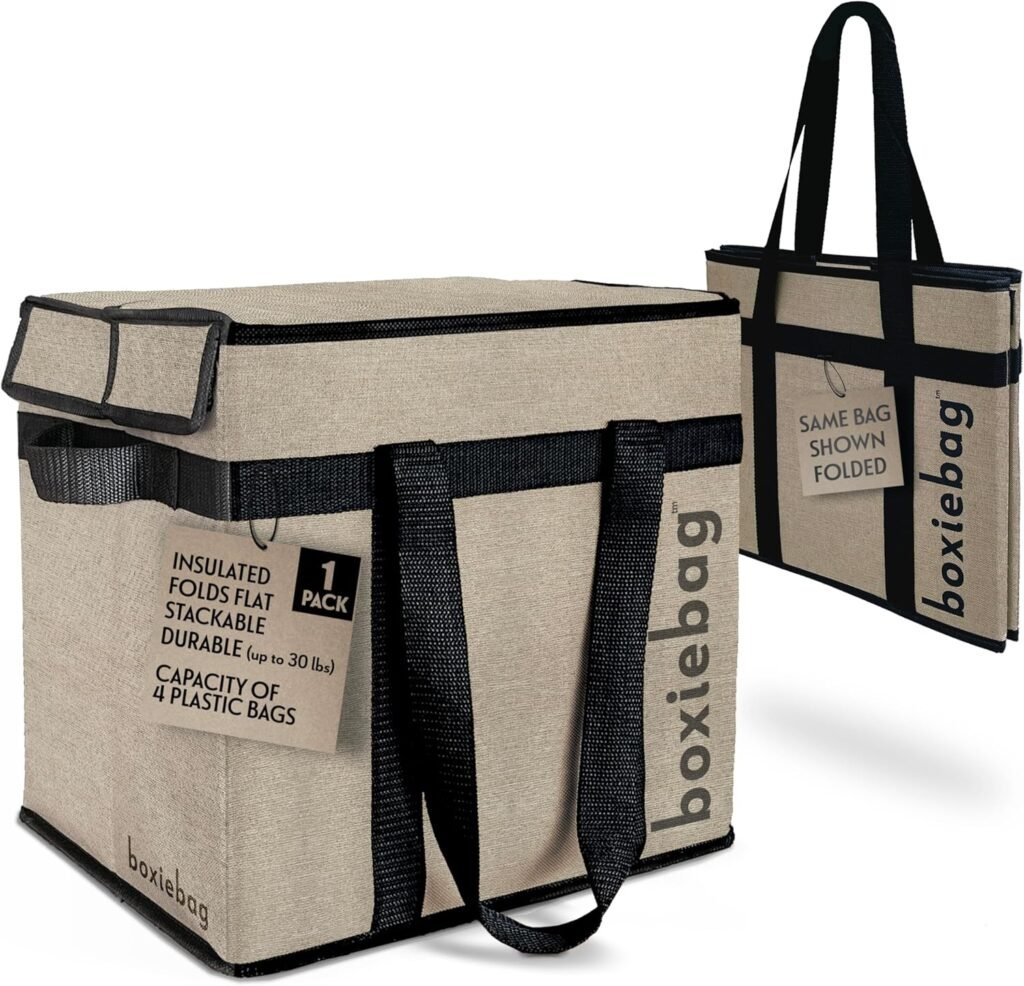
The workhorse option — typically around 20–30 liters, fits two to three bags of groceries, collapses flat. Look for ones with a rigid base so they stand upright on the market floor while you shop. These are the most affordable entry point and genuinely do the job for most shoppers.
→ Shop insulated grocery totes on Amazon
Yeti Hopper Flip
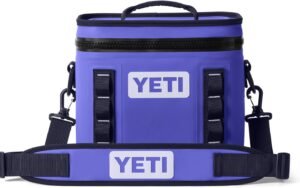
The premium soft cooler option. It’s significantly more expensive, but the insulation is exceptional — it’ll keep ice for 24+ hours — and the wide-mouth opening makes loading and unloading at the market easy. Worth it if you’re doing longer trips or buying a lot of meat and dairy.
→ Shop Yeti Hopper Flip on Amazon
RTIC Soft Pack
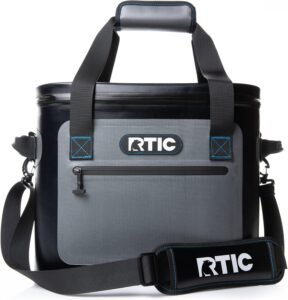
Sits in the middle ground between the basic tote and Yeti — better insulation than a grocery bag at a much more reasonable price. The RTIC Soft Pack has a loyal following among people who shop farmers markets and CSA pickup regularly. Polar Bear Coolers are another strong option in this category.
→ Shop RTIC Soft Pack on Amazon
Insulated Backpack Cooler
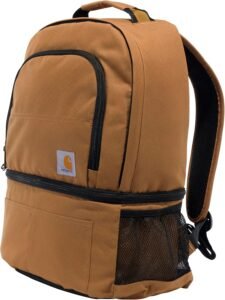
Worth considering if you bike to the market or prefer hands-free carrying. Brands like OutdoorMaster and TOURIT make solid options under $50 that hold a surprising amount and keep things cold for several hours.
→ Shop backpack coolers on Amazon
Ice Packs
A good bag is only as good as what’s keeping it cold. Loose cubed ice works but soaks everything as it melts. Reusable ice packs are the better long-term choice.
Hard ice packs stay colder longer and are more durable, but they take up more space and have a fixed shape. Better for dedicated coolers. Flexible gel packs conform to the shape of your bag and fit around oddly shaped items — easier to work with in a soft tote. Keep two or three sets in your freezer so there’s always a frozen pair ready to go.
Cooler Shock Reusable Ice Packs
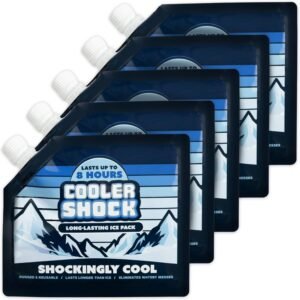
One of the most recommended gel pack options for grocery and market use. Flexible enough to fit around produce and meat packages, and they stay cold for 4–6 hours in a well-insulated bag. Buy a few sets so you always have a frozen pair ready.
→ Shop Cooler Shock ice packs on Amazon
Freeze Pack Slim Ice Packs
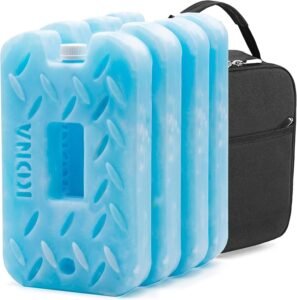
A budget-friendly flexible option that works well in soft tote bags. The slim profile means they don’t take up much room, and a pack of four gives you enough to cover the base and sides of most market bags.
→ Shop Freeze Pack ice packs on Amazon
Produce Storage Containers
Getting your produce home cold is only step one. How you store it at home determines whether your market haul lasts three days or ten.
OXO GreenSaver Produce Keeper
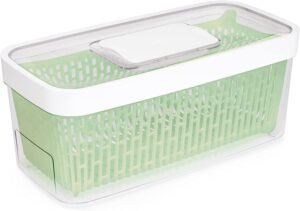
The most recommended produce storage container for home use. The carbon filter absorbs ethylene gas (which accelerates ripening and decay), the vented lid regulates humidity, and the elevated basket keeps produce out of collected moisture. Works especially well for berries, leafy greens, and herbs. Available in multiple sizes.
→ Shop OXO GreenSaver on Amazon
Rubbermaid FreshWorks Produce Saver
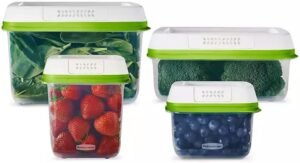
A widely available and affordable option that extends produce shelf life noticeably compared to standard containers or bags. The CrispTray at the bottom elevates produce and the FreshVent lid regulates airflow. A good starter option if you’re new to dedicated produce storage.
→ Shop Rubbermaid FreshWorks on Amazon
Prepara Herb Savor
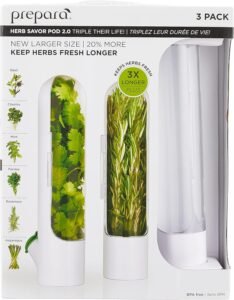
One of those products that sounds like a novelty until you use one. Fresh herbs from the market — basil, parsley, cilantro — are notoriously fragile and typically last only a couple of days in a bag. The Herb Savor keeps stems in water in the fridge, extending the life of a bunch of fresh basil or parsley to a week or more. A genuine game-changer for anyone who buys fresh herbs regularly.
→ Shop Prepara Herb Savor on Amazon
Reusable Mesh Produce Bags
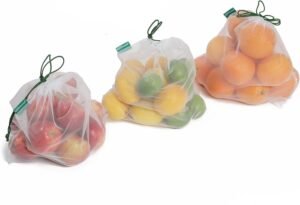
A simple solution for leafy greens and herbs — mesh bags allow airflow while keeping things contained in the fridge. Useful both at the market (bring your own instead of using plastic) and at home for storage. A set of 9–12 bags covers most shopping needs.
→ Shop reusable mesh produce bags on Amazon
The Market Day Setup That Actually Works
Here’s a simple system that takes about two minutes to prepare the night before:
1. Put your ice packs (or frozen water bottles) in the freezer the night before
2. In the morning, put the ice packs in your insulated bag and let it pre-chill for 10–15 minutes while you get ready
3. Bring a second, lighter bag for non-perishables — bread, dry goods, crafts — so the cooler bag isn’t overloaded
4. At the market, load meat and dairy into the insulated bag first, produce and shelf-stable items on top or in the second bag
5. Park in shade if possible, keep bags out of direct sun in the car
It sounds simple because it is. The people who have the best luck with farmers market produce aren’t using fancy equipment — they’re just being a little deliberate about temperature from the moment they buy.
Ready to find your next market? Browse Michigan farmers markets near you and see what’s in season this week.